Archival Significance
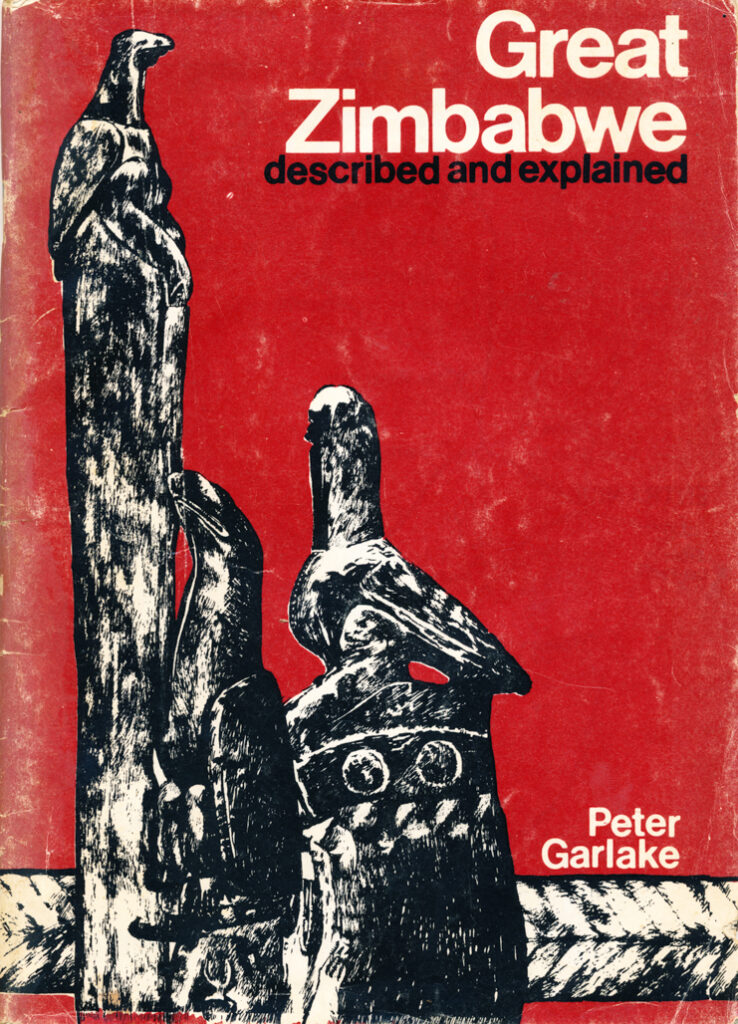
Written by Peter Garlake, who served as Rhodesia’s Inspector of Monuments from 1964 to 1970 and whose excavations were the first to prove incontrovertibly that Great Zimbabwe was built by the ancestors of the Shona people, not by any non-African civilisation. In 1970, after a member of the Rhodesian Parliament demanded he give equal platform to the theory that the site was built by ‘light-skinned people’, Garlake resigned his post and left the country rather than compromise his findings. He completed this manuscript years later while working in Nigeria, and it was finally published in 1982, two years after the independence his own research had, in a small way, helped make intellectually possible.
Institutional Context
Published by Zimbabwe Publishing House with an introduction by Herbert Ushewokunze, the Minister of Home Affairs, meaning the post-independence government itself formally endorsed the account the Rhodesian state had once suppressed.
Content Summary
Presents Garlake’s account of Great Zimbabwe’s archaeology, architecture and history, establishing its construction by indigenous Shona ancestors across two to three centuries of stone-building development.
Research Utility
A foundational text for researchers of Great Zimbabwe specifically, still cited as a core academic reference for archaeologists and conservationists working on the site and related monuments across the region, valuable both for its archaeological content and for its own history as a once-suppressed account.
Abantu Archives Note
Held in-house. In copyright; no free full text available. Used copies obtainable via AbeBooks.