
An Independent African-Led Archival Research Platform.
aBantu Archives is an independent archival research initiative dedicated to the preservation, digitisation, and critical interpretation of African historical records.
The project was established in response to a persistent problem in global heritage practice:
African histories are widely stored, cited, and interpreted—but rarely controlled—by African-led archival frameworks.
aBantu Archives exists to change that.
What are you looking for?
Explore aBantu Archives through research tools, collections, historical context and chronological discovery.
At a glance
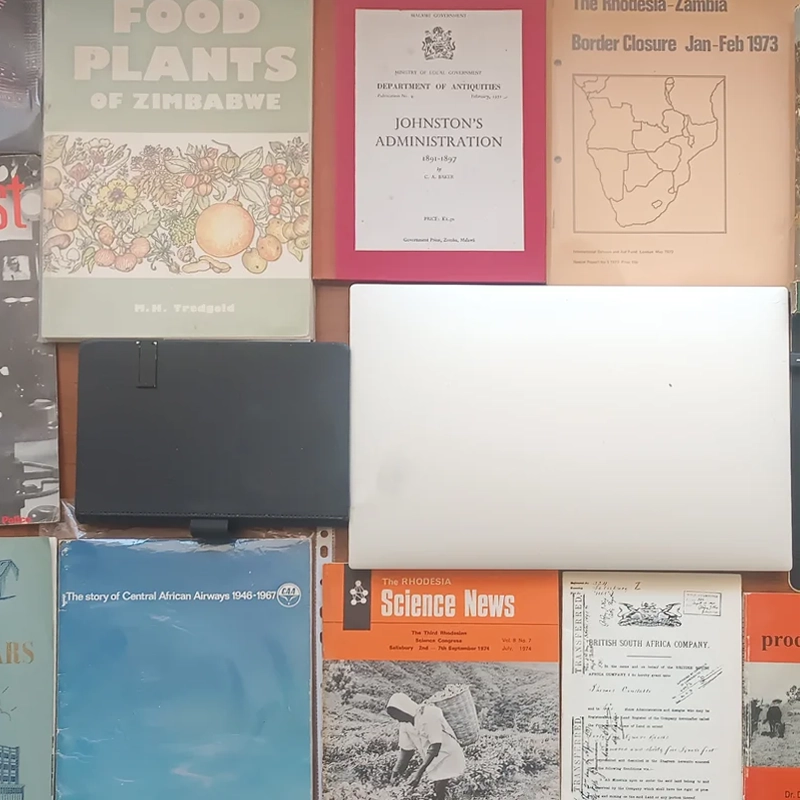
A growing research collection of books, journals, reports, bulletins and other historical materials.
From the master catalogue
Explore the Archive — 1,045 Records
Loading records…

The Philosophy
History, heritage, accountability.
I work from the premise that historical records are not neutral. Who controls the archive shapes what is remembered — and what is not. Abantu Archives exists to correct that imbalance.
- Centring African-produced and African-held records across Zimbabwe, Zambia, Mozambique, Malawi, and Central Africa
- Fighting fragmentation and institutional indifference to regional memory
- Supporting independent scholarship and community-based documentation
- Building long-term archival infrastructure through collaborative work — by design, not by accident
- Holding the archive to the same standards I ask of the sources it holds
- This is slow, deliberate work — by design.
What I do
Research, digitisation, and access.
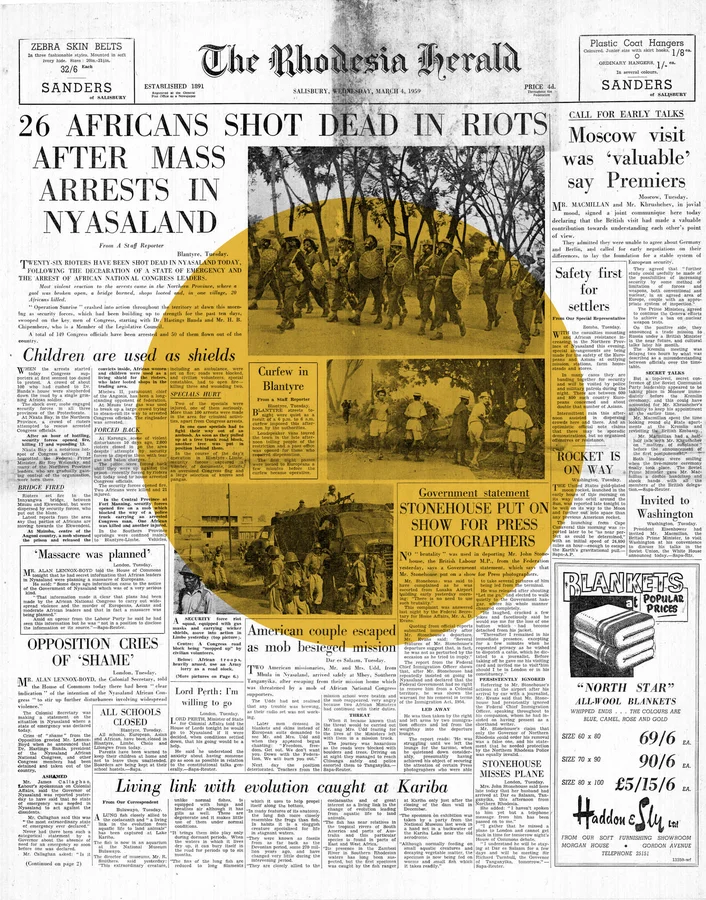
Archival Research and Curation. I locate, contextualise, and catalogue primary and secondary sources relating to the colonial and post-independence history of Zimbabwe, Zambia, Mozambique, Malawi, and the broader Central African region. The collection now holds over 1,045 records.
Digitisation and Access. Where rights permit, I make records accessible online. Where they do not, I document what exists and where it is held — so researchers can find it regardless of where they are based.
Heritage, Restitution, and Repatriation Research. Archival evidence to support institutional accountability and cultural redress.
Independent Scholarship Support. Working with academic partners and independent researchers who understand that archives are not neutral — and never were.
Who is this for?
Researchers, educators, and institutions.
Abantu Archives works with anyone engaged seriously with the documentary history of Central and Southern Africa.
The Director
About Tinashe
Tinashe Hwindingwi
Founder & Director, Abantu Archives — Harare, Zimbabwe
Abantu Archives grew out of a simple conviction: that African histories deserve careful, independent stewardship. Founded in 2020, it draws on a background in archival research, documentary photography, and graphic design.

Contact & Collaboration
Get in touch.
I welcome correspondence from researchers, educators, institutions, and anyone with a serious interest in the collection. If you have a source that belongs here, I want to know about it.
–
Follow along the journey
Follow us on social media and never miss an update.
From the archive
Connections
Loading connections…